


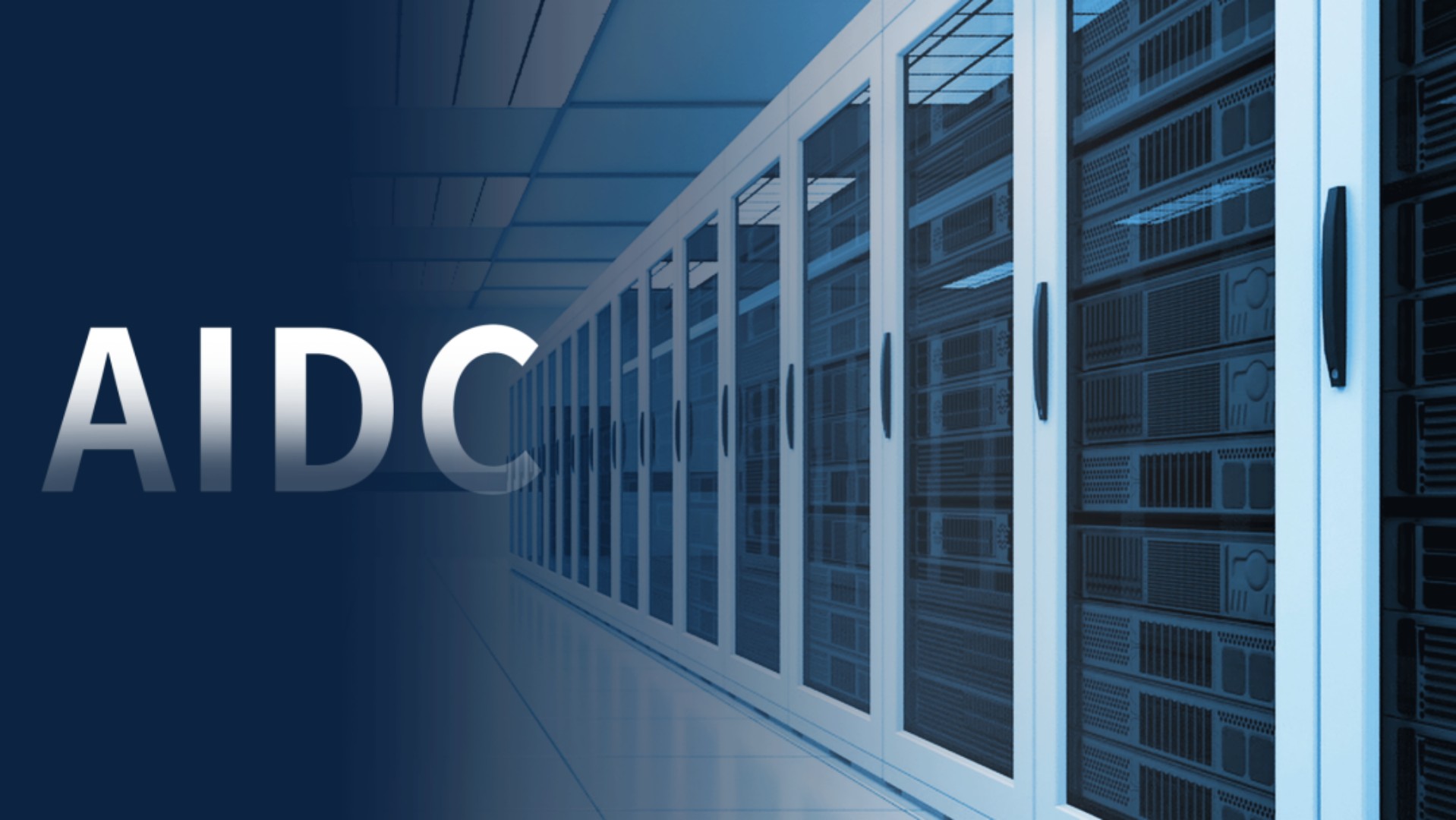
On May 28, Guangzhou Zhiguang Electric Co., Ltd. (hereinafter referred to as Zhiguang Electric) and China Huaneng Clean Energy Research Institute Co., Ltd. (hereinafter referred to as Huaneng Clean Energy Research Institute) officially launched their first jointly developed solid-state transformer (SST) product — Coota 1.0, providing core support for applications such as AI Data Centers (AIDC), ultra-fast EV charging systems, and integrated source-grid-load-storage energy systems.
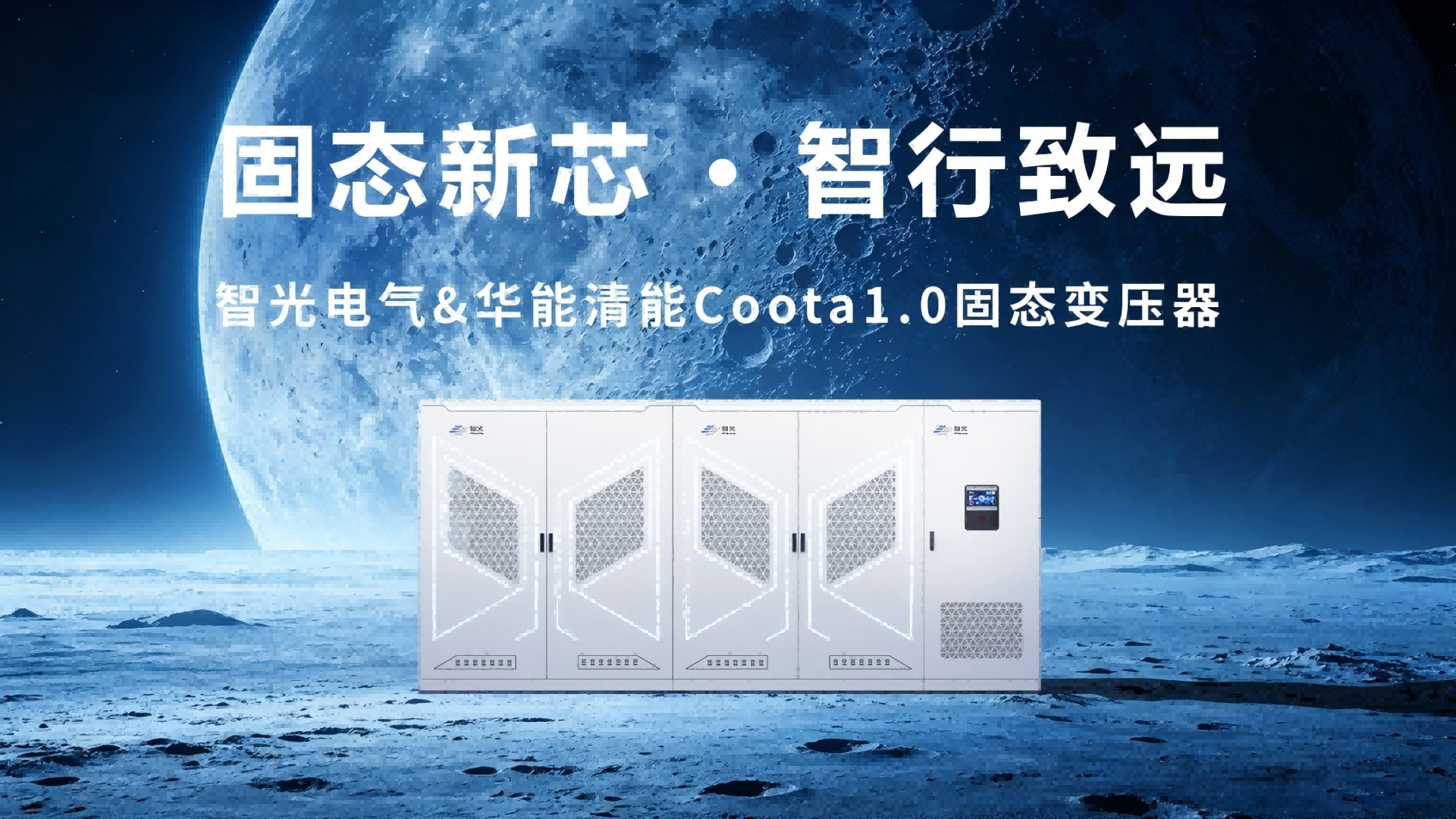
Based on three core technologies—third-generation SiC semiconductors, high-frequency power electronic conversion, and fully digital intelligent control—Coota 1.0 replaces conventional power-frequency transformers and integrates voltage transformation, electrical isolation, power quality management, and intelligent energy dispatch into a single platform. Leveraging the extensive expertise of both organizations in high-voltage cascaded power electronics and clean energy system integration, the product represents a landmark achievement in implementing China’s high-quality development strategy for energy-efficient equipment.
I. Policy Tailwinds Driving Market Transformation
Solid-state transformers have evolved from a technological concept into a strategic national necessity, becoming a key component of digital energy infrastructure.
China’s Ministry of Industry and Information Technology (MIIT), together with three other government agencies, recently issued the Implementation Plan for the High-Quality Development of Energy-Efficient Equipment (2026–2028), which explicitly calls for accelerating the deployment of large-capacity solid-state transformers.
Meanwhile, State Grid Corporation of China’s 15th Five-Year Plan includes approximately RMB 4 trillion in grid investments, with more than 60% allocated to new power systems and energy-efficient equipment upgrades. As a core enabling technology, SSTs are expected to directly benefit from this investment wave.
II. Core Technological Breakthroughs: Five Advantages Reshaping Power Distribution
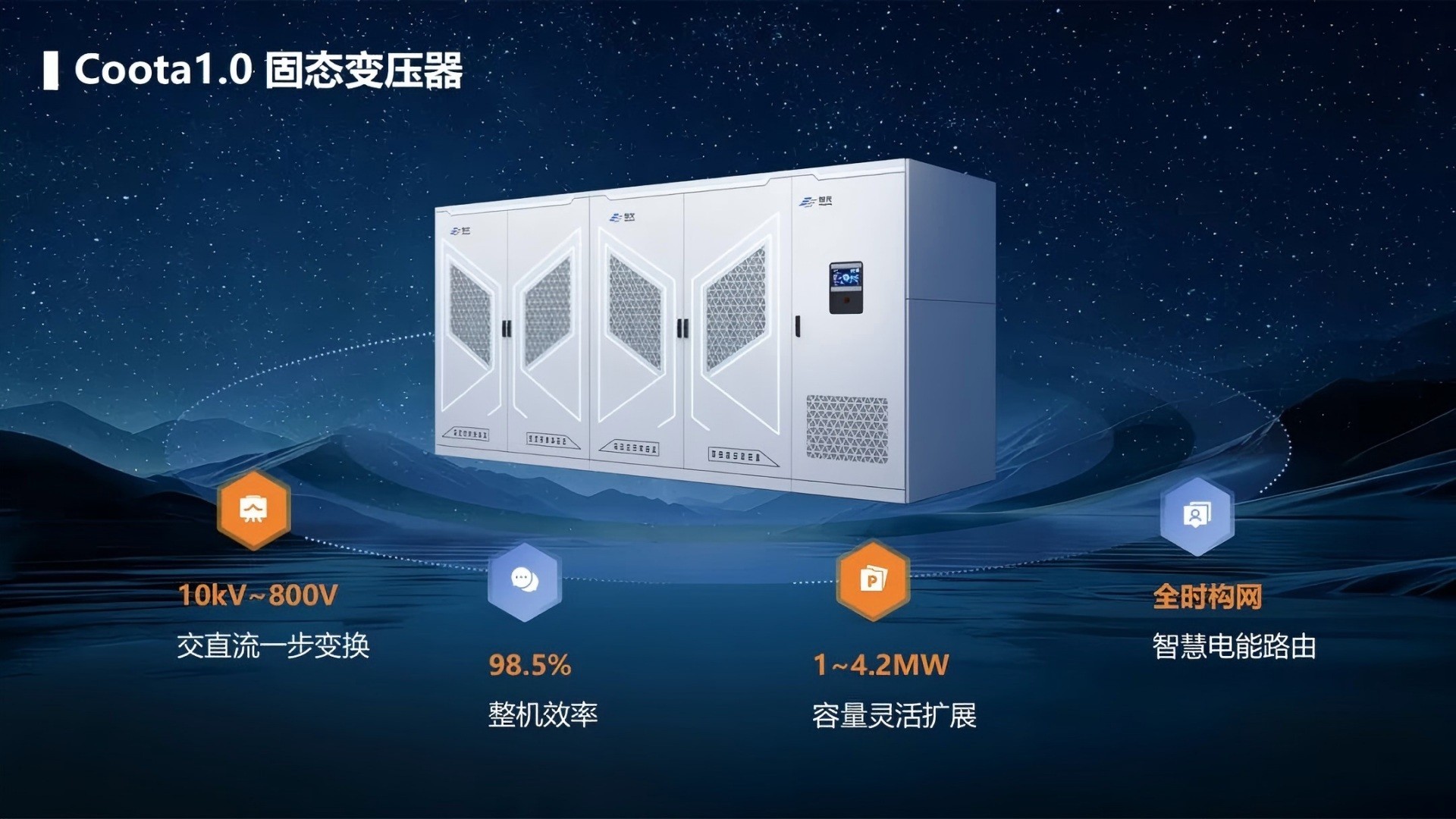
1. Direct AC-to-DC Conversion in One Step
Direct conversion from 10 kV AC to 800 V DC eliminates conventional power-frequency transformers and multiple distribution stages, significantly reducing system losses and enabling seamless integration into all-DC power ecosystems.
2. Exceptional Energy Efficiency
The system achieves up to 98.5% efficiency, representing an improvement of more than 4 percentage points over conventional solutions. A 4.2 MW SST operating at rated conditions can reduce carbon emissions by approximately 1,100 tons annually.
3. High Power Density and Flexible Integration
Available in capacities ranging from 1 MW to 4.2 MW, Coota 1.0 features a modular high-frequency integrated design that reduces footprint by more than 60% compared with traditional solutions, freeing valuable space for computing infrastructure and energy facilities.
4. Simplified Architecture with Superior Reliability
Its fully digital architecture minimizes failure points and delivers rapid dynamic response, effectively accommodating fluctuating AI computing loads and high-power demand surges. Intelligent energy routing ensures stable and reliable operation.
5. Integrated Source-Grid-Load-Storage Capability
Supporting bidirectional energy flow, Coota 1.0 enables coordinated operation of generation, grid, load, and storage resources, enhancing renewable energy integration, flexible interconnection, and grid support capabilities
III. Comprehensive Application Coverage: Empowering the New Power System
2. Ultra-Fast EV Charging Systems: Direct Medium-Voltage Connection for Rapid Charging
By connecting directly to the 10 kV grid, the solution eliminates conventional power-frequency transformers and enables refueling-like charging experiences. It supports bidirectional energy flow for Vehicle-to-Grid (V2G) applications and intelligently regulates power output to mitigate grid impacts from high-power charging loads.
3. Integrated Source-Grid-Load-Storage Systems: A Solid Foundation for the New Power System
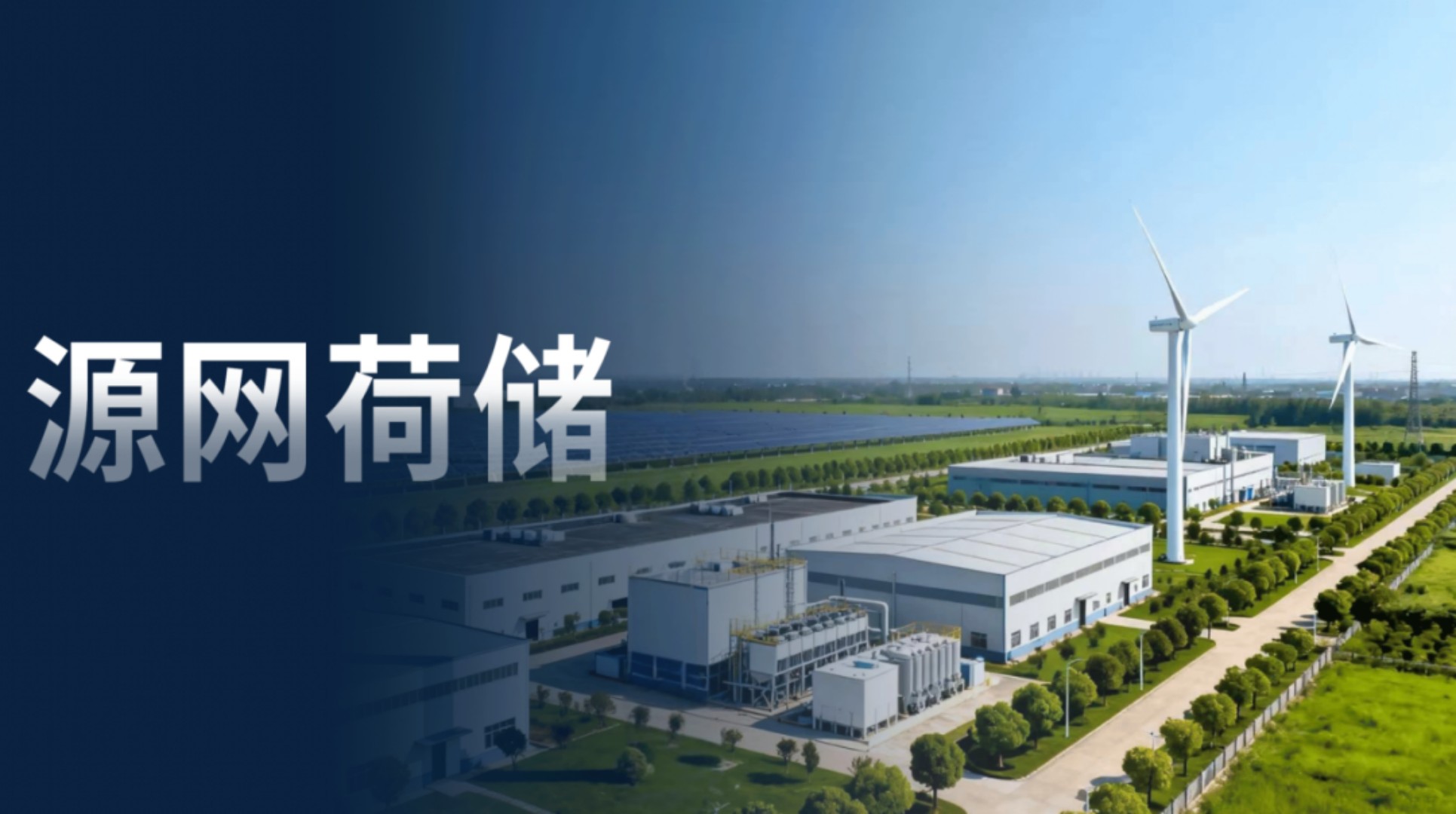
Coota 1.0 enables direct coupling on the DC side of photovoltaic and energy storage systems, replacing traditional “low-voltage conversion + step-up transformer” architectures and improving renewable energy utilization.
The solution also supports AC/DC hybrid networks and flexible grid interconnection, enhances power quality, and strengthens voltage support and grid-forming capabilities in weak-grid environments.
At the distribution-network level, it facilitates local power balancing, alleviates capacity expansion challenges, promotes digitalization and intelligent distribution management, supports network reconfiguration, and improves overall reliability and resilience.
IV. Building an Ecosystem for a Shared Future
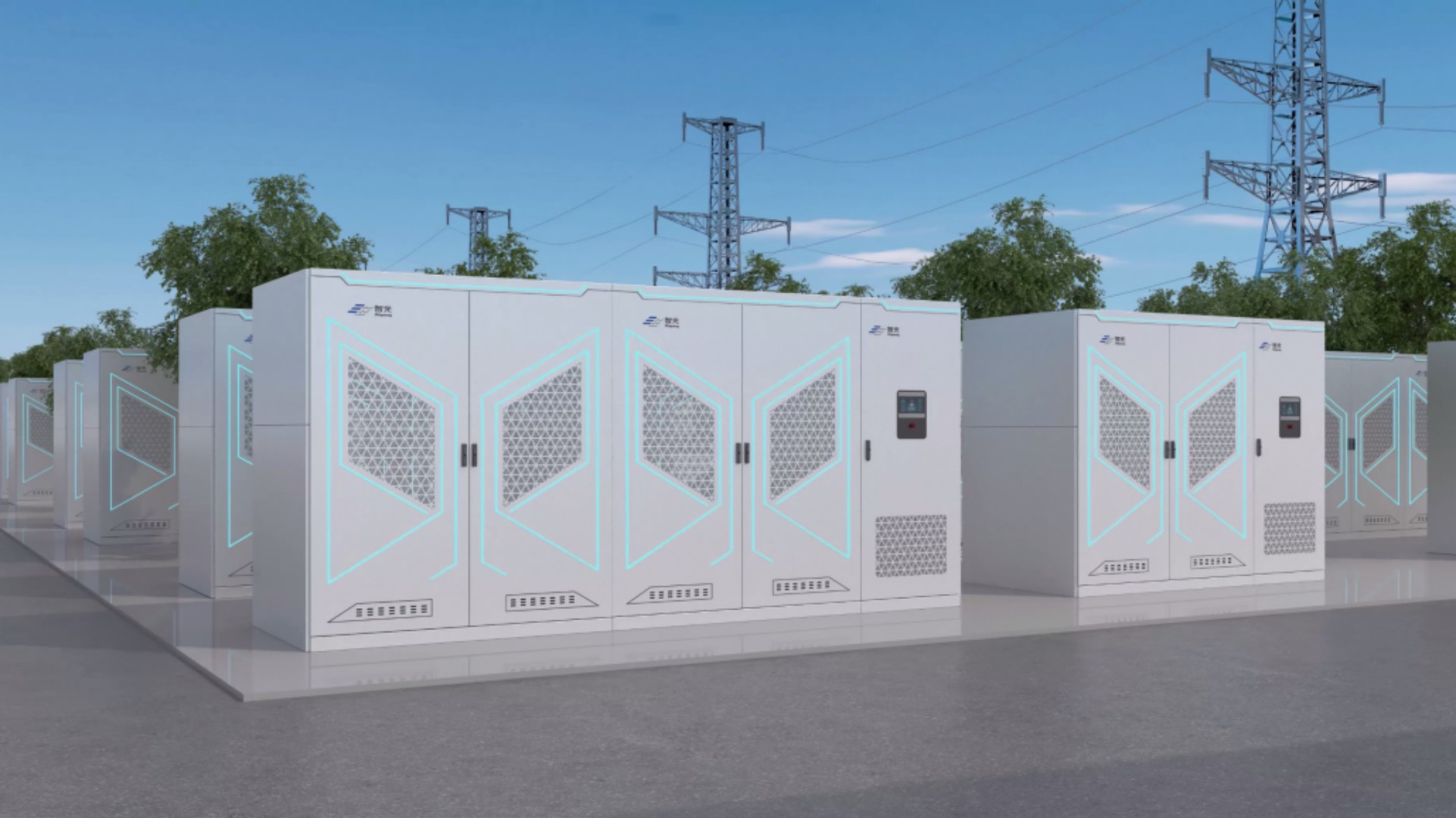
With Coota 1.0 as a starting point, Zhiguang Electric and Huaneng Clean Energy Research Institute will collaborate with upstream and downstream industry partners to build a robust ecosystem through demonstration projects, international market expansion, and strategic partnerships.
Together, they will drive end-to-end collaboration across technology development, product innovation, sales, manufacturing, deployment, and operation, accelerating the high-quality growth of the solid-state transformer industry.
As spring blossoms across Nanjing and the Yangtze River surges toward new horizons, Zhiguang Electric remains committed to advancing the future of energy. Powered by digital energy technologies and guided by a vision of intelligent energy systems, Zhiguang Electric and Huaneng Clean Energy Research Institute are joining forces to illuminate the path toward a new power system through breakthrough innovation.
As a dedicated advocate and pioneer of smart energy, Zhiguang Electric will continue to uphold craftsmanship, pursue technological innovation, and drive the evolution and industrialization of solid-state transformer technology. By empowering AI data centers, ultra-fast charging infrastructure, and integrated source-grid-load-storage systems, the company aims to contribute to China's carbon neutrality goals, build a clean, low-carbon, safe, and efficient energy system, and support the global transition toward a greener and more sustainable energy future.
